




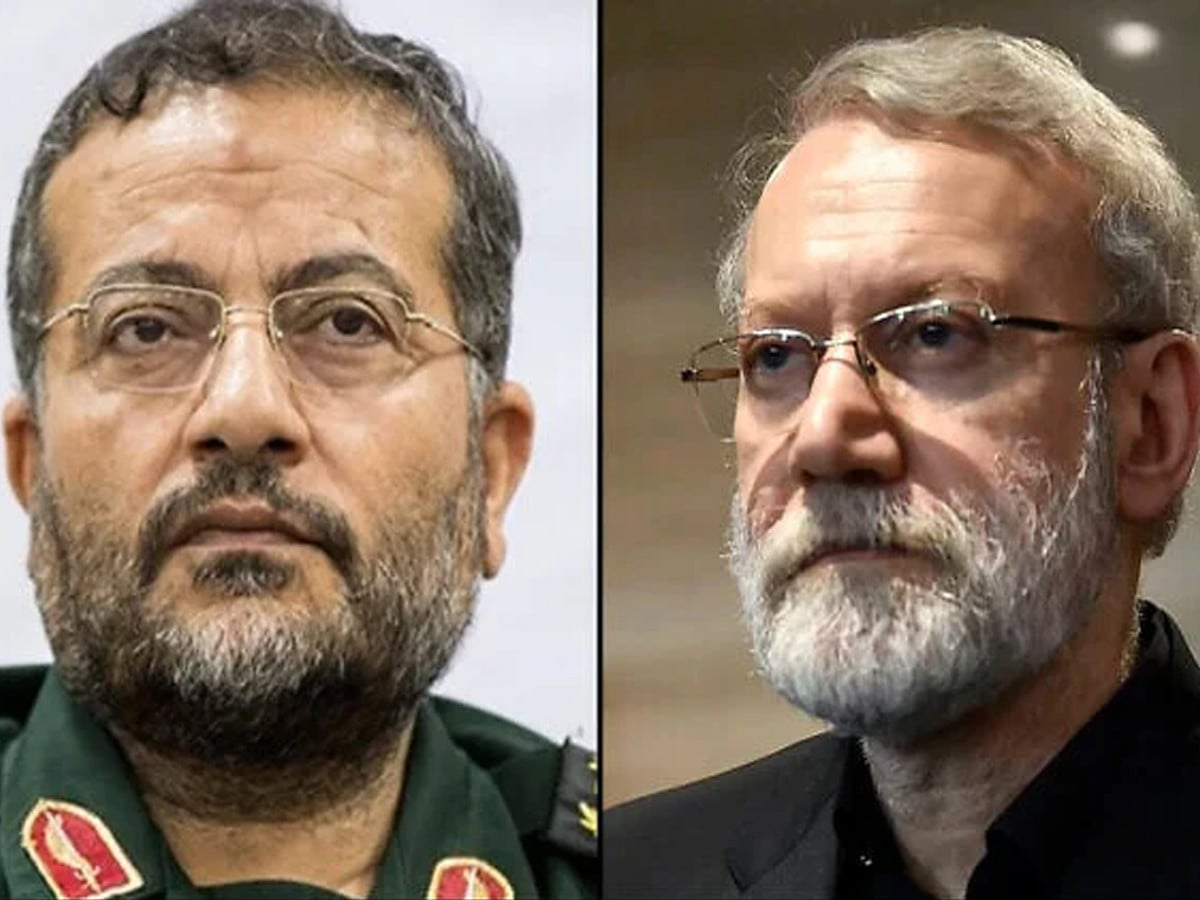
TEHRAN (Agencies) – Iran’s state media has confirmed that Ali Larijani, the country’s influential national security chief, was killed in an Israeli strike on Tuesday.
The Supreme National Security Council announced his assassination in a statement carried by Mehr News, praising Larijani’s lifelong service to the Islamic Revolution and declaring that he had “proudly attained the blessed rank of martyrdom.”
Israel had earlier claimed responsibility, with Defence Minister Israel Katz stating that Larijani was “eliminated last night” in targeted attacks on Tehran. Confusion briefly followed when Larijani’s official Telegram account posted a handwritten note unrelated to the reports, offering no evidence of his survival.
Escalating Conflict
The strike came just a day after Israel reportedly killed Gholamreza Soleimani, commander of the Revolutionary Guards’ Basij force. Israeli President Isaac Herzog, while welcoming France’s mediation efforts in Lebanon, urged Europe to adopt a tougher stance against Hezbollah, calling for the dismantling of the group’s “war machine.”
Heavy battles continue in southern Lebanon, where dawn airstrikes set Beirut’s southern suburbs ablaze. Authorities report more than one million people displaced since early March.
Shock for Tehran
Larijani’s assassination delivers another blow to Iran’s leadership following the February 28 joint US‑Israeli strike that killed Supreme Leader Ayatollah Ali Khamenei. His son and successor, Mojtaba Khamenei, has not appeared publicly, fueling speculation about his condition.
Explosions shook Tehran overnight as Israel claimed to have struck “Iranian terror infrastructure” in the capital and beyond.
Oil Shock and Wider Fallout
Iran has retaliated with attacks on US interests and Gulf infrastructure, including strikes on tankers in the Strait of Hormuz. The disruption of global oil traffic has driven prices higher, prompting Washington to call for a naval coalition to secure the waterway. Britain and Germany, however, have resisted a NATO-led mission.
Iran’s health ministry reports at least 1,200 deaths from US and Israeli strikes since the conflict began. In Iraq, rockets targeted the US embassy in Baghdad’s Green Zone early Tuesday, triggering air defense systems.
Iran Confirms Security Chief Ali Larijani Martyred in Israeli Strike
TEHRAN (Agencies) – Iran’s state media has confirmed that Ali Larijani, the country’s influential national security chief, was killed in an Israeli strike on Tuesday.
The Supreme National Security Council announced his assassination in a statement carried by Mehr News, praising Larijani’s lifelong service to the Islamic Revolution and declaring that he had “proudly attained the blessed rank of martyrdom.”
Israel had earlier claimed responsibility, with Defence Minister Israel Katz stating that Larijani was “eliminated last night” in targeted attacks on Tehran. Confusion briefly followed when Larijani’s official Telegram account posted a handwritten note unrelated to the reports, offering no evidence of his survival.
Escalating Conflict
The strike came just a day after Israel reportedly killed Gholamreza Soleimani, commander of the Revolutionary Guards’ Basij force. Israeli President Isaac Herzog, while welcoming France’s mediation efforts in Lebanon, urged Europe to adopt a tougher stance against Hezbollah, calling for the dismantling of the group’s “war machine.”
Heavy battles continue in southern Lebanon, where dawn airstrikes set Beirut’s southern suburbs ablaze. Authorities report more than one million people displaced since early March.
Shock for Tehran
Larijani’s assassination delivers another blow to Iran’s leadership following the February 28 joint US‑Israeli strike that killed Supreme Leader Ayatollah Ali Khamenei. His son and successor, Mojtaba Khamenei, has not appeared publicly, fueling speculation about his condition.
Explosions shook Tehran overnight as Israel claimed to have struck “Iranian terror infrastructure” in the capital and beyond.
Oil Shock and Wider Fallout
Iran has retaliated with attacks on US interests and Gulf infrastructure, including strikes on tankers in the Strait of Hormuz. The disruption of global oil traffic has driven prices higher, prompting Washington to call for a naval coalition to secure the waterway. Britain and Germany, however, have resisted a NATO-led mission.
Iran’s health ministry reports at least 1,200 deaths from US and Israeli strikes since the conflict began. In Iraq, rockets targeted the US embassy in Baghdad’s Green Zone early Tuesday, triggering air defense systems.

